
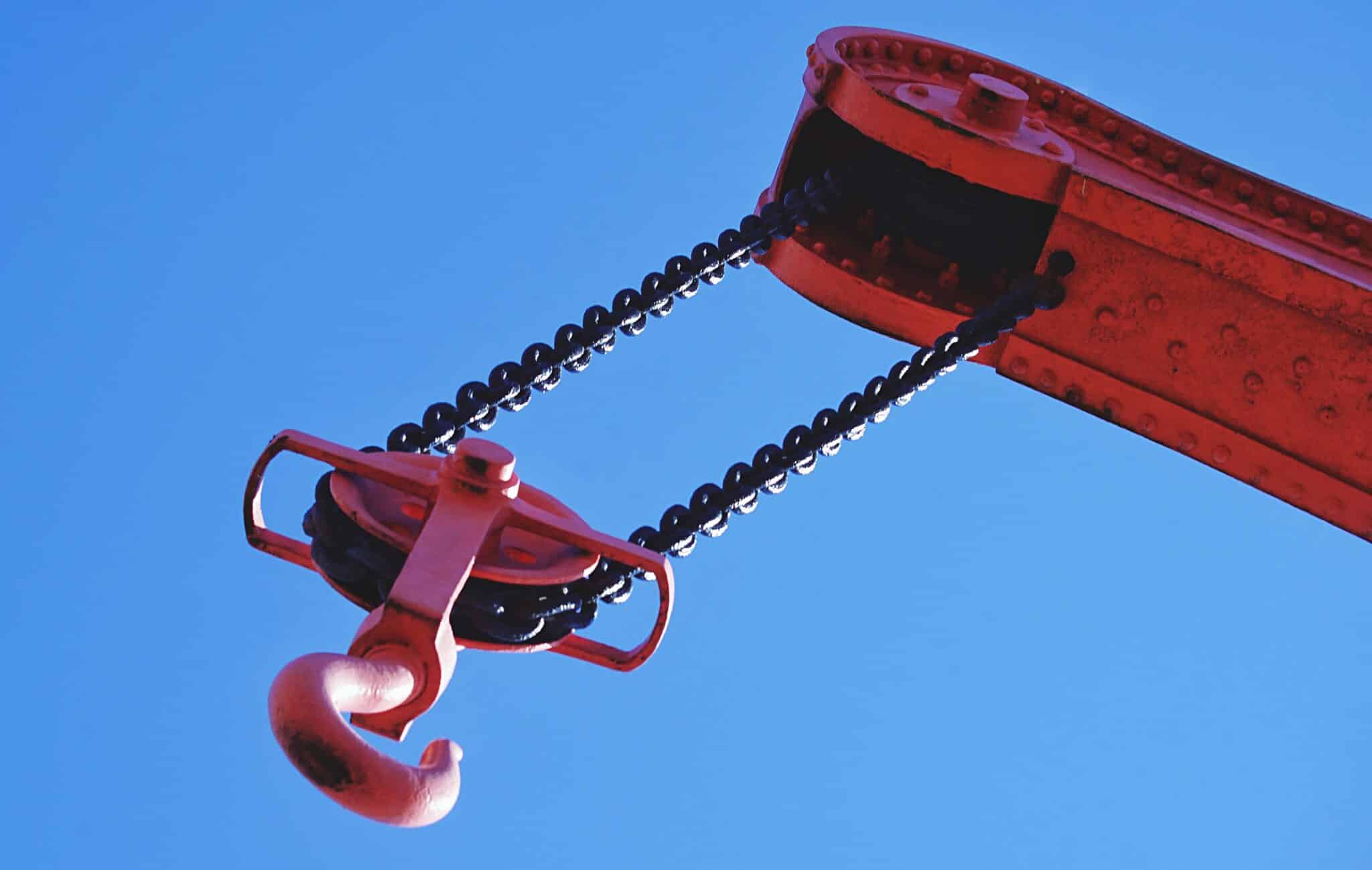
Working Load Limit (WLL) is the maximum load a swivel hook is rated to handle during normal use under manufacturer-specified conditions.
June 8, 2026
Choosing the right swivel hook or lifting swivel is not just about matching a hook to a load. In industrial rigging, proper swivel hook selection depends on Working Load Limit (WLL), lift geometry, connection method, and compliance with OSHA and ASME standards.
A swivel hook that appears oversized can still be unsafe if it is side loaded, improperly connected, or used outside the manufacturer’s specifications. This is especially critical in lifting applications where rotation, angular forces, and hardware compatibility directly affect safety and performance.
What Does WLL Mean for a Swivel Hook?
Working Load Limit (WLL) is the maximum load a swivel hook is rated to handle during normal use under manufacturer-specified conditions.
WLL is not an estimate or a marketing number—it is the tested and approved capacity for real-world lifting when the product is used correctly. However, WLL must always be evaluated within the full lifting setup.
For swivel hooks and lifting swivels, this includes:
- Load angle and sling configuration
- Centered vs off-center loading
- Compatibility with chain slings, shackles, or master links
Even when the load weight is below the stated WLL, improper use—such as side loading or restricted rotation—can create unsafe conditions.
Can You Exceed the WLL?
No. Exceeding the rated WLL is neither safe nor acceptable.
Visual judgment is not a reliable way to determine lifting capacity. Failures often result from:
- Incorrect load direction
- Fatigue or wear
- Deformation
- Improper connection
This is especially critical with swivel hooks, where rotation and load alignment play a major role. A hook may look strong enough but still fail if:
- The load is not centered
- The latch is compromised
- The hook is loaded at an angle
- The connected hardware alters the load path
In the United States, OSHA (29 CFR 1926.251) requires rigging equipment to be inspected before each shift and used according to manufacturer instructions. Overloading not only increases risk but also creates compliance and liability issues.
Safety Factors and Rated Capacity
Safety factors vary by product type, manufacturer, and standard. However, for the end user, the key principle is simple:
The safety factor is already built into the WLL.
This means:
- WLL is the maximum allowable working load
- It is not a starting point for overload testing
- Capacity should never be estimated from size or appearance
For many Grade 8 lifting components, the minimum breaking load is typically 4×WLL, but users must always rely on manufacturer documentation rather than assumptions.
For swivel lifting applications:
- The WLL must meet or exceed forces created by sling angles
- The component must rotate and pivot freely during lifting
- The load must remain properly aligned throughout the lift
Mixing rules between hooks, hoist rings, eyebolts, and other rigging hardware is not acceptable unless explicitly approved by the manufacturer.
Standards and Compliance (US and EU)
Most swivel hooks offered by Daubner Industrial are manufactured according to EN 1677, the European standard for lifting components. These products are typically:
- Made from quenched and tempered alloy steel
- Proof-load tested
- Designed with defined safety factors
In the United States, these products are used within a regulatory framework that includes:
- OSHA 29 CFR 1926.251 (rigging safety requirements)
- ASME B30.10 (hooks)
- ASME B30.26 (rigging hardware)
Even when using EN-certified components, compliance always depends on how the equipment is used on-site. Proper selection, inspection, and adherence to manufacturer instructions remain mandatory.
How to Choose the Right Swivel Hook
The correct starting point is always the full lifting scenario—not the product catalog.
A practical selection process includes:
- Confirm the total load and force at each connection point, including sling angle effects.
- Match the swivel hook to the rigging system (chain sling, shackle, master link, or lifting device).
- Verify the exact WLL for the specific product size and configuration.
- Check for side loading, dynamic forces, and rotation constraints.
- Review inspection requirements and manufacturer limitations before use.
A properly selected swivel hook should align with the lift geometry and integrate cleanly with connected hardware without forcing misalignment.
Common Mistakes to Avoid
Several common errors increase risk in swivel hook selection and use:
- Choosing based on appearance instead of WLL and application details
- Assuming all swivel hooks function the same under load
- Ignoring side loading or off-center loading
- Mixing incompatible rigging components
- Using unmarked or non-rated hardware
- Reusing worn or damaged equipment without inspection
- Ignoring OSHA or ASME inspection requirements
Safe lifting depends on correct product selection, proper inspection, and adherence to standards—not visual assumptions.
Find the Right Rigging Hardware
For industrial lifting applications, selecting the right swivel hook starts with the correct rated capacity and use case—not just size.
Browse the Daubner Industrial rigging and lifting catalog to find swivel hooks, chain slings, shackles, and related hardware that meet your application requirements:
https://daubnerusa.com/catalog/rigginglifting
When in doubt, reviewing detailed product specifications and ensuring compatibility across the full rigging system can prevent costly mistakes and improve safety on every lift.